
How to Toilet Train a Puppy in an Apartment (Without Losing Your Mind)
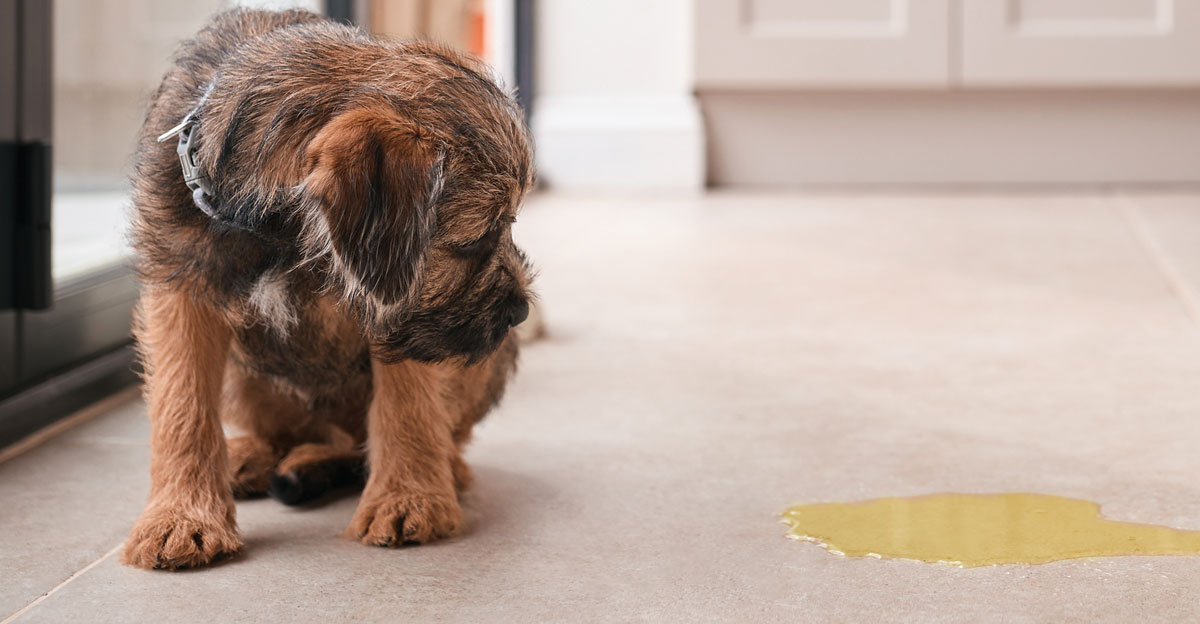
Bringing home a puppy is exciting — until the accidents start happening on your floors, rugs, and furniture.
For apartment owners, toilet training can feel even harder. There’s no backyard, late-night toilet trips become exhausting, and rainy weather can completely throw off your routine.
The good news is that with the right system, consistency, and setup, apartment puppy toilet training becomes much easier and far less stressful.
In this guide, we’ll walk through practical strategies to help you toilet train your puppy faster while keeping your home cleaner and your sanity intact.
Why Apartment Puppy Toilet Training Is More Challenging
Apartment living creates a few unique problems for dog owners:
- Limited outdoor access
- Elevators or stairs slowing toilet breaks
- Smaller indoor spaces
- Busy schedules
- More accidents on flooring and furniture
- Difficulty maintaining consistent routines
Young puppies have very limited bladder control, which means they often need to go outside every 1–2 hours in the early stages.
For apartment owners, this can quickly become overwhelming.
That’s why creating a structured toilet routine early is so important.
How Often Should Puppies Go to the Toilet?
One of the biggest mistakes new owners make is simply waiting too long.
As a general guide:
| Puppy Age | Toilet Frequency |
|---|---|
| 8–10 weeks | Every 1–2 hours |
| 10–12 weeks | Every 2–3 hours |
| 3–6 months | Every 3–4 hours |
Puppies usually need to go:
- after waking up
- after eating
- after drinking water
- after playtime
- before bedtime
Missing these windows is one of the main reasons accidents happen indoors.
The Biggest Toilet Training Mistakes Apartment Owners Make
1. Punishing Accidents
Punishing a puppy after accidents often creates fear and confusion rather than better behaviour.
Instead, reward successful toilet behaviour consistently.
2. Inconsistent Toilet Locations
Changing toilet spots constantly can confuse puppies during training.
Dogs learn faster when they associate one consistent location with toileting.
3. Waiting Too Long
Puppies cannot “hold it” the way adult dogs can.
If you wait too long between toilet breaks, accidents are inevitable.
4. Relying Only on Puppy Pads
While puppy pads are common, they confuse dogs because they encourage toileting on soft indoor surfaces.
Many owners find grass-based systems create a more natural transition for long-term toilet habits.
A Simple Apartment Puppy Toilet Training Routine
Consistency matters more than perfection.
A basic routine could look like this:
Morning
- Immediate toilet break after waking
- Reward successful toileting
After Meals
- Toilet break within 5–15 minutes
Throughout the Day
- Regular scheduled toilet opportunities
- Watch for signs like sniffing, circling, or restlessness
Evening
- Final toilet break before bed
- Reduce water intake shortly before sleep if recommended by your vet
The more predictable the routine, the faster most puppies learn.
Indoor Dog Toilets vs Puppy Pads
Apartment owners often compare puppy pads with indoor grass toilet systems.
Puppy Pads
Pros:
- cheap
- accessible
Cons:
- smell quickly
- may encourage indoor floor toileting habits
- often require frequent replacement
- Messy
Indoor Grass Toilet Systems
Pros:
- more natural for dogs
- cleaner appearance
- easier transition to outdoor grass
- useful during bad weather or work hours
Cons:
- slightly higher upfront cost
- requires minimal cleaning and maintenance
For many apartment dog owners, indoor grass systems provide a more practical long-term solution.
How Indoor Grass Systems Can Help Toilet Training
Indoor grass toilet systems can be especially helpful during:
- rainy weather
- overnight training
- apartment living
- long work days
- early puppy stages
Pooches Potty gives puppies a consistent toilet location while helping owners reduce accidents around the home.
Because dogs naturally prefer grass-like surfaces, many owners find the transition easier than relying solely on puppy pads.
The key is still consistency, routine, and positive reinforcement.
Final Tips for Faster Puppy Toilet Training
To speed up toilet training success:
- Keep a consistent routine
- Reward good behaviour immediately
- Supervise your puppy closely
- Clean accidents properly to remove odours
- Avoid punishment-based training
- Be patient — every puppy learns at a different pace
Most importantly, remember that accidents are a normal part of the process.
With structure and repetition, puppies gradually build reliable toilet habits over time.
Frequently Asked Questions
Can puppies use indoor grass toilets?
Yes. Many apartment owners use indoor grass systems during the early training stages and as a long-term indoor solution.
How long does puppy toilet training usually take?
Most puppies begin developing consistent habits within several weeks, but full reliability can take several months depending on breed, routine, and consistency.
What should I do after an accident?
Clean the area thoroughly and continue reinforcing the correct toilet location. Avoid punishment.
Toilet training a puppy in an apartment can feel exhausting at first, but with the right routine and setup, it becomes far more manageable. Consistency, patience, and creating clear habits are the biggest keys to success.